
Single Moms Need Economic Mobility
Urban Institute senior fellow Elaine Waxman and Jeremiah Program president and CEO Chastity Lord know the power of single moms...
About This Episode
Urban Institute senior fellow Elaine Waxman and Jeremiah Program president and CEO Chastity Lord know the power of single moms on the economic mobility of entire communities. “Great moms are dreaming in threes: they dream for themselves, they dream for their children, and they naturally dream for their community,” says Lord. The Jeremiah Program supports single mothers as they invest simultaneously in their own goals as well as their children’s education. Waxman recently published “Policy Levers to Support Single-Mother Economic Mobility” with support from Share Our Strength. “I always think of food insecurity as the canary in the coal mine. It's often the first symptom of instability to emerge because that's a quick way that people can try to move resources around. It's also often one of the last ones to resolve,” she reports.Resources and Mentions:

Elaine Waxman
senior fellow
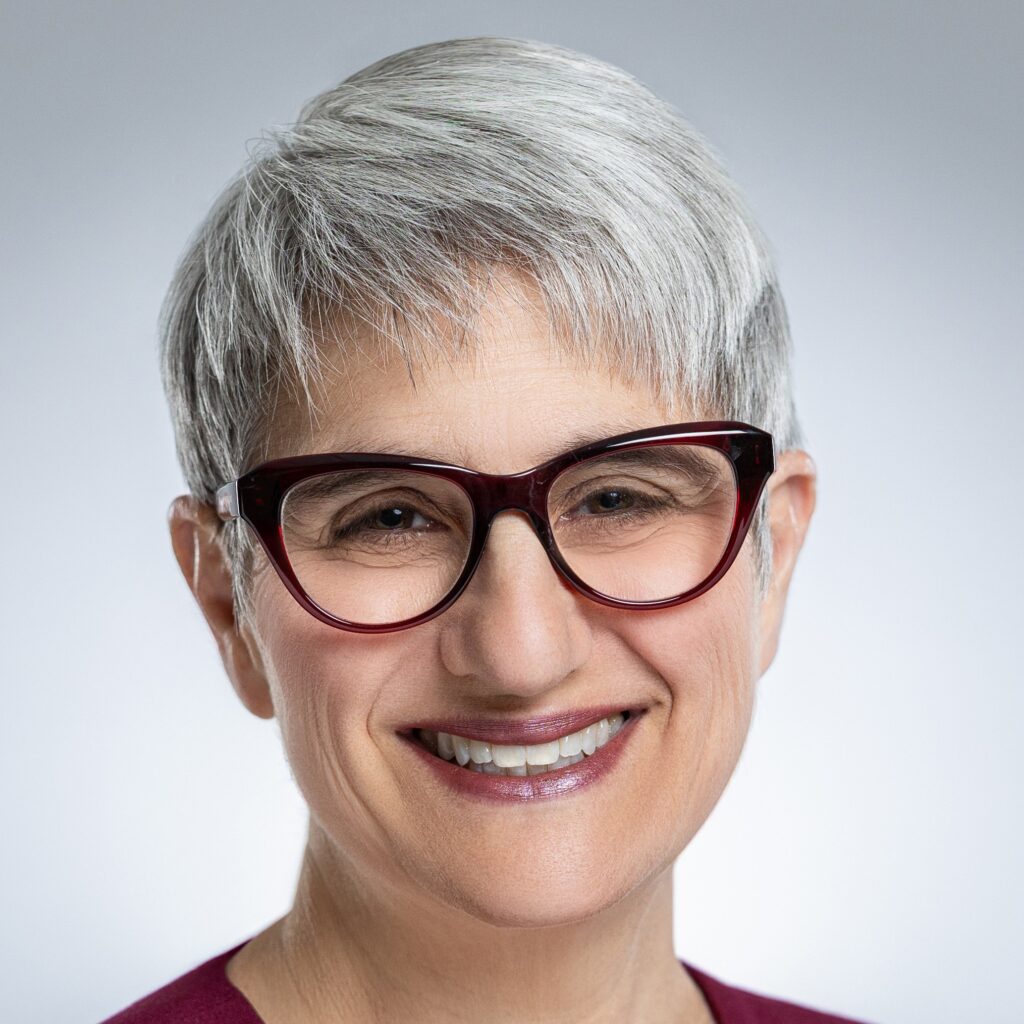
Elaine Waxman is the senior fellow in the Tax and Income Supports Division at the Urban Institute. Her expertise includes food insecurity, food access, federal nutrition programs, social determinants of health, and broader issues affecting families with low incomes.
Chastity Lord
president and CEO
Chastity Lord is president and CEO of the Jeremiah Program, a nonprofit committed to dismantling systemic barriers to education, housing, and child care for single mothers and their children, helping them reach economic mobility.
Jeremiah Program
Jeremiah Program is a national organization with a mission to disrupt the cycle of poverty for single mothers and their children, two generations at a time. Jeremiah Program believes that no mother should have to make the untenable choice between investing in herself and her children. Our holistic approach allows families to dream what is possible when they are able to bring all of their identities to bear in pursuit of their goals.
The Urban Institute
President Lyndon B. Johnson founded the Urban Institute in 1968 to provide “power through knowledge” to help solve the problems that weighed heavily on the nation’s hearts and minds. Early attempts to tackle discrimination and poverty were often shots in the dark without a clear understanding of whether new policies were working—or for whom. Today, many of the challenges and divisions of the 1960s persist. So does Urban’s focus on developing data and evidence that offer a more nuanced understanding of today’s pressing issues—and illuminate promising ways to address them. At Urban, we believe that data and evidence are essential to shaping a more inclusive, equitable, and just society.
Related Episodes
The Great Betrayal: Cutting America’s Most Vulnerable From SNAP
Why are millions of Americans losing SNAP food assistance—even when many remain eligible? In this episode of Add Passion and...

When The Law Fails Families: The Human Cost of Detention
In this very special repeat episode of Add Passion and Stir, Billy Shore and Debbie Shore speak with attorney Corey...

Edesia’s Navyn Salem Defines Humanity
Navyn Salem, founder and CEO of the malnutrition social enterprise Edesia, discusses our shared humanity in caring for children all...